Managing Workplace Investigations: Professional Legal Services to Safeguard Your Business
Employment investigations are essential for preserving a safe and fair environment. They can arise from multiple issues, including workplace harassment and discriminatory practices. Expert legal assistance play a crucial role in these situations, ensuring compliance with laws and shielding businesses from liability risks. Understanding the nuances of these investigations is critical. What strategies can organizations implement to address these complex processes successfully?
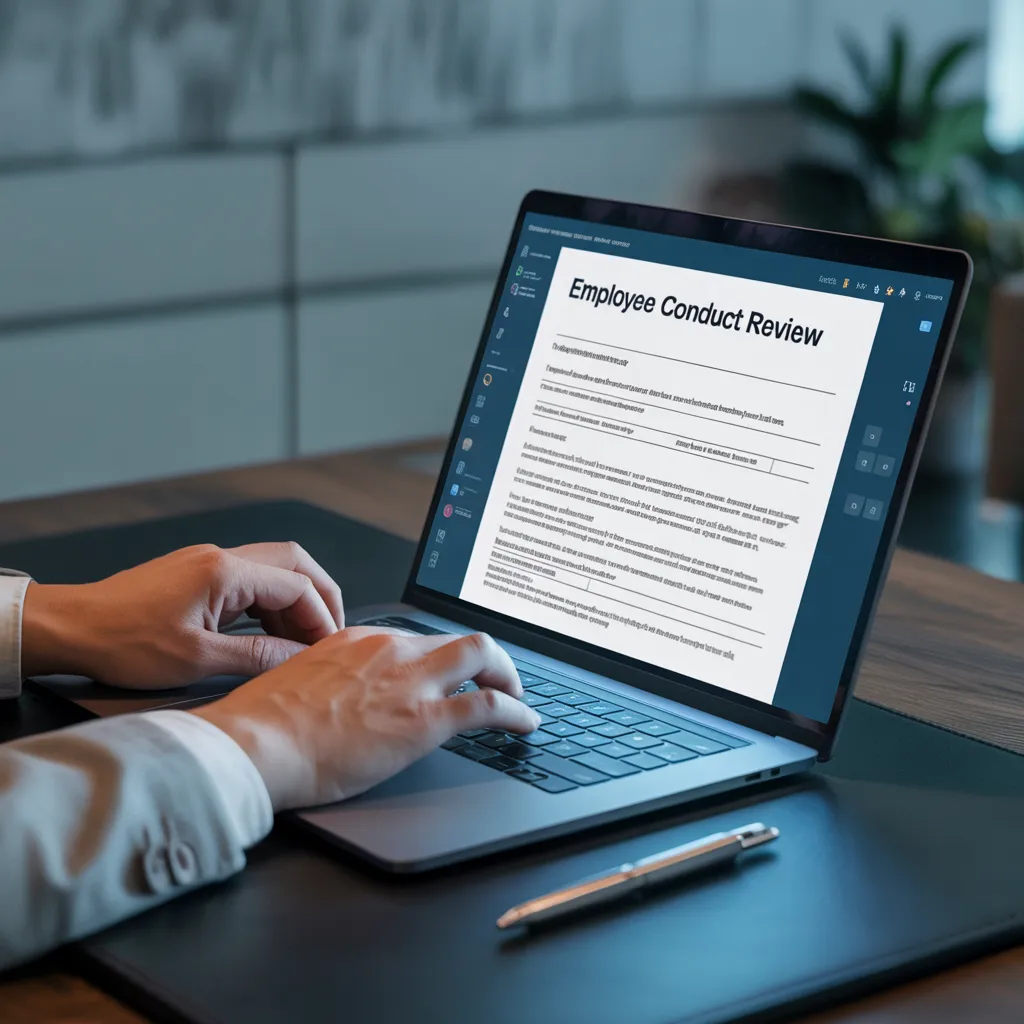
What You Must Know About Workplace Investigations
When workplace concerns develop, grasping the complexities of workplace investigations becomes critical. These investigations help address allegations of improper behavior, discrimination, or harassment, providing a thorough and impartial process. Employers must first establish the scope of the investigation, pinpointing the particular claims and gathering appropriate information. This often includes interviewing witnesses, reviewing documentation, and collecting evidence.
Maintaining confidentiality is crucial during this process to preserve the rights of all parties involved. Investigators need to remain objective and neutral, ensuring that the findings are grounded exclusively in the facts. When finished, a complete report needs to summarize the investigation's findings and recommend appropriate actions.
Employers need to understand the legal implications related to workplace investigations, including adherence to labor laws and regulations. A carefully handled investigation can not only settle issues but also promote a more secure and more respectful work environment.
Expert Legal Services and Their Role in Investigations
Workplace investigations frequently need the guidance of expert legal services to navigate complex issues effectively. These professionals play a vital role in ensuring that investigations comply with applicable laws and regulations, thereby minimizing legal risks for the organization. They assist in creating investigation protocols, guaranteeing that processes are equitable and comprehensive.
Expert legal services also offer advice on important topics such as confidentiality, employee rights, and potential liabilities. Their participation ensures that organizations can conduct impartial investigations without the influence of bias or internal politics. Moreover, legal experts can support evaluate findings and recommend proper actions, aiding in the formulation of responses that align with company policies and legal standards. By leveraging their proficiency, businesses can encourage a culture of accountability and transparency, ultimately safeguarding their reputation and upholding employee trust throughout the investigation process.
Forms of Workplace Investigations: Harassment, Discrimination, and Additional Matters
Investigations in the workplace can assume different forms, with harassment and discrimination being two of the most critical types. Harassment investigations concentrate on claims of inappropriate behavior that create a hostile work environment, while discrimination complaints address unequal treatment based on protected characteristics. Understanding these types is critical for organizations to maintain a fair and safe workplace.
What Are Harassment Investigations
Workplace harassment investigations are vital for sustaining a respectful and secure professional environment. Such investigations begin following complaints about improper conduct, that can encompass verbal, physical, or sexual harassment. An effective investigation involves collecting proof, questioning relevant individuals, and analyzing pertinent rules and processes. The goal is to determine the circumstances to verify whether harassment happened and to verify conformity with employment guidelines. Companies should handle these investigations with neutrality and privacy, protecting the rights of both the complainant and the accused. The findings should direct proper responses, whether it's disciplinary measures or changes in workplace policies, thereby cultivating an environment of dignity and jump in responsibility throughout the workplace.
Overview of Discrimination Claims
Discrimination allegations constitute a significant area of concern within organizational policies, covering a spectrum of unlawful behaviors that can weaken employee morale and trust. These claims usually emerge from perceived imbalances based on race, gender, age, disability, or other protected characteristics. Organizations must take these allegations with gravity, as they can result in legal repercussions and damage to the company's reputation. Investigations into discrimination claims often necessitate a comprehensive examination of workplace practices, employee testimonies, and relevant documentation. It is vital for businesses to implement effective reporting mechanisms and ensure that employees feel safe voicing concerns. By addressing discrimination claims swiftly and professionally, organizations can promote a more inclusive environment and reduce potential risks associated with legal disputes.
Guidelines for Starting a Workplace Investigation
Starting a workplace investigation requires detailed planning and a clear understanding of the issues at hand. The first step involves identifying the nature of the issue or incident that necessitates the investigation. Collecting preliminary information is critical to identify the scope and relevance of the allegations. Next, appointing an impartial investigator is important to maintain objectivity and credibility throughout the process.
After an investigator is appointed, a clear plan should be developed, outlining the particular objectives, timelines, and resources necessary. It is essential to inform concerned parties about the investigation while maintaining confidentiality to protect the integrity of the process. Documenting each step performed during the investigation is essential for transparency and legal protection.
Ultimately, implementing a communication protocol can help handle expectations and keep all stakeholders informed, providing a thorough approach to addressing the issues while decreasing disruption in the workplace.
Key Approaches for Unbiased and Productive Investigations
Developing precise investigation guidelines is critical for securing equity and effectiveness in workplace investigations. Neutrality and confidentiality standards must equally be enforced to preserve the integrity of the process and the individuals involved. These best practices form the foundation for handling workplace concerns properly and fairly.
Clear Inquiry Protocols
Carrying out workplace investigations requires a structured approach to ensure fairness and effectiveness. Clear investigation procedures are essential to guarantee that all parties involved understand their roles and responsibilities throughout the process. A defined framework typically includes steps such as initial assessment, gathering evidence, interviewing pertinent individuals, and documenting findings. Setting timelines for each phase facilitates efficiency and accountability. In addition, outlining specific criteria for evaluating evidence aids in reaching objective conclusions. Training designated investigators on these procedures is vital, as it equips them with the necessary skills to conduct thorough inquiries. By following clear investigation procedures, organizations can foster a culture of trust and transparency, ultimately leading to more favorable resolutions and minimizing potential legal repercussions.
Neutrality and Privacy Standards
While maintaining impartiality and confidentiality may appear difficult during workplace investigations, these standards are essential for maintaining trust and credibility in the process. To ensure impartiality, organizations should employ independent investigators who are without conflicts of interest. This objectivity promotes a fair evaluation of the facts. Confidentiality must also be treated as essential, with information disclosed only on a need-to-know basis to protect the identities of all parties involved. Implementing secure communication channels and clear data management protocols further safeguards sensitive information. Regular training on these standards for employees improves awareness and compliance. By adhering to these best practices, businesses can conduct detailed investigations that not only settle issues but also reinforce a culture of fairness and respect within the workplace.
Legal Dangers of Improperly Managing Workplace Investigations
Poorly managing workplace investigations can leave organizations to significant legal risks, especially when allegations of misconduct surface. Poorly conducted investigations may lead to claims of discrimination, retaliation, or wrongful termination, rendering employers exposed to lawsuits. If an organization neglects to implement proper procedures, it risks creating a hostile work environment, which can further compound legal challenges.
Additionally, inadequate documentation can weaken an organization's defense in court, as insufficient evidence may point to negligence or bias in the investigative process. Organizations may also experience regulatory scrutiny if they neglect industry guidelines or legal obligations during investigations.
Moreover, poorly handling investigations can damage an organization's reputation, resulting in reduced trust among staff and customers. In the end, the legal implications of improperly conducted workplace investigations can be financially damaging, underscoring the need for comprehensive, fair, and compliant investigative practices.
Establishing a Supportive Setting Post Workplace Investigations
In the wake of a workplace investigation, fostering a supportive environment is critical for recovering morale and trust among employees. Organizations should prioritize open communication, permitting employees to express their concerns and feelings about the investigation's outcomes. This can be realized through team meetings, one-on-one discussions, or anonymous feedback mechanisms, which facilitate transparency and inclusivity.
Furthermore, leadership must exhibit commitment to change by executing any required policy modifications or training programs. Such initiatives signal to employees that their welfare is valued and that the organization is committed to avoiding future issues.
Furthermore, acknowledging and incentivizing constructive behaviors can additionally reinforce the workplace culture. Fostering collaboration and team-building activities can help rebuild relationships that may have been damaged during the investigation process. By consciously working to create a encouraging environment, organizations can not only mend trust but also elevate overall employee participation and performance.
Questions & Answers
What Is the Duration of a Standard Workplace Investigation?
A typical workplace investigation typically takes anywhere from a few days to several weeks, based on the sophistication of the situation, the number of witnesses engaged, and the necessity for thoroughness in gathering evidence.
What Are the Expenses Related to Hiring Legal Services for Investigations?
Costs for hiring legal services during investigations can vary significantly, typically ranging from a few hundred to several thousand dollars. Aspects that determine pricing include the intricacy of the matter, attorney experience, and the duration of the investigation.
Do Employees Have the Right to Appeal Investigation Findings?
Personnel can dispute investigation conclusions, normally by following an established protocol outlined by the organization. The process typically requires submitting a documented objection, supplying extra documentation, or challenging the determination with an assigned reviewing official.
What Should I Do if an Employee Refuses to Cooperate?
When an employee declines to participate, the employer should record the non-compliance, reiterate the importance of participation, and contemplate introducing disciplinary actions if appropriate, while upholding company policies and appropriate legal guidelines.
How Can I Ensure Confidentiality During the Investigation Process?
To maintain confidentiality throughout the investigation, copyright limited access to data, confine discussions to authorized parties, implement secure communication methods, and underscore the importance of discretion to all participants across the process.